
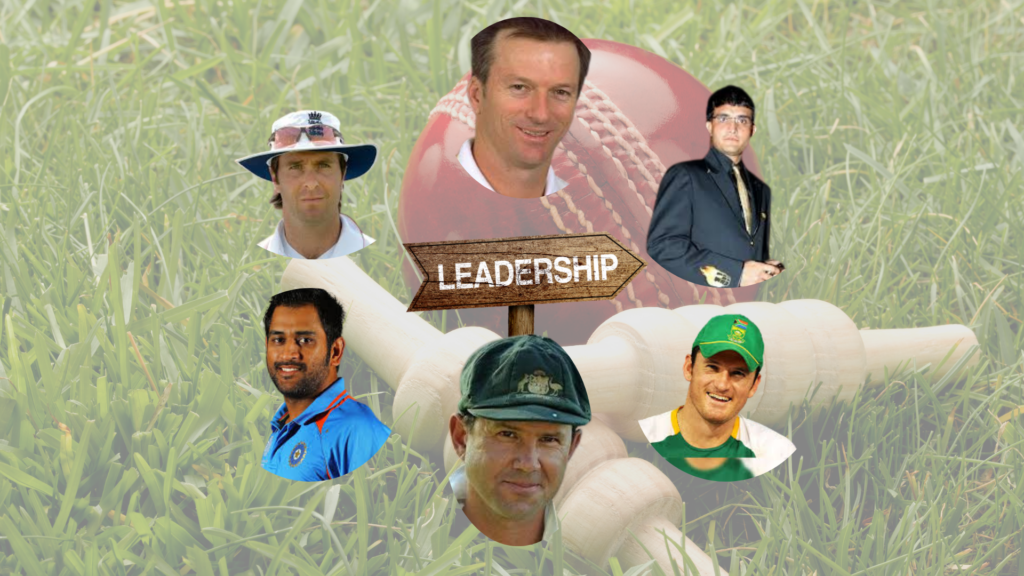

The role of leaders in Cricket is different, from selecting playing eleven, making game strategy to critical decisions, they play a core role in the team. On several occasions, they have to lead from the front to make the game for their team. The world of cricket has witnessed veteran leaders like Imran Khan, Vivian Richard, Kapil Dev, etc. who with their vision and firebrand leadership established a landmark and took the game to a new height. In this blog, I will shed light on top six leaders in Cricket, post 1999 World Cup who breathed a new life into the game with their visionary leadership, aggression and out-of-the-box attitude.
Here, I have selected leaders especially after the 1999 World Cup, because I think it was a beginning of a new era in Cricket after the World Cup 1999; wherein many legendary players were in their prime form and emergence of some highly talented, firebrand and aggressive players who ruled over the world cricket with their distinguished playing style and their game understanding was unparalleled and unmatched.
Top Six Leaders in Cricket
Stephen Rodger Waugh
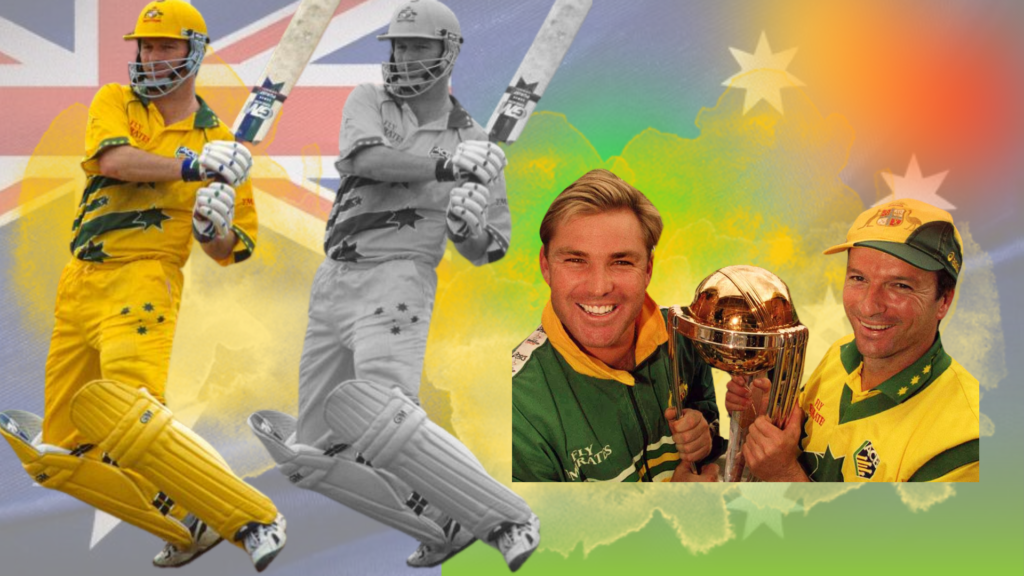
Stephen Rodger Waugh or Steve Waugh was one of the most genius leaders in the world cricket, who pioneered a new era in Cricket, especially in Test Cricket. After winning the 1999 World Cup, it was the beginning of domination of Australia over the world cricket. Steve Waugh was responsible for infusing ruthlessness and a winning habit into the side. He built a squad of highly talented players who had a passion for win and believing in destroying opponents. Under the leadership of Steve Waugh, Australia achieved new heights in Cricket wherein world-record 16 successive Test victories which portrays his leadership ability. Steve Waugh captained Australia in 57 matches from 1997-2004, won 41 lost 9 and drawn 7, his winning percentage is 71.93.
Sourav Ganguly
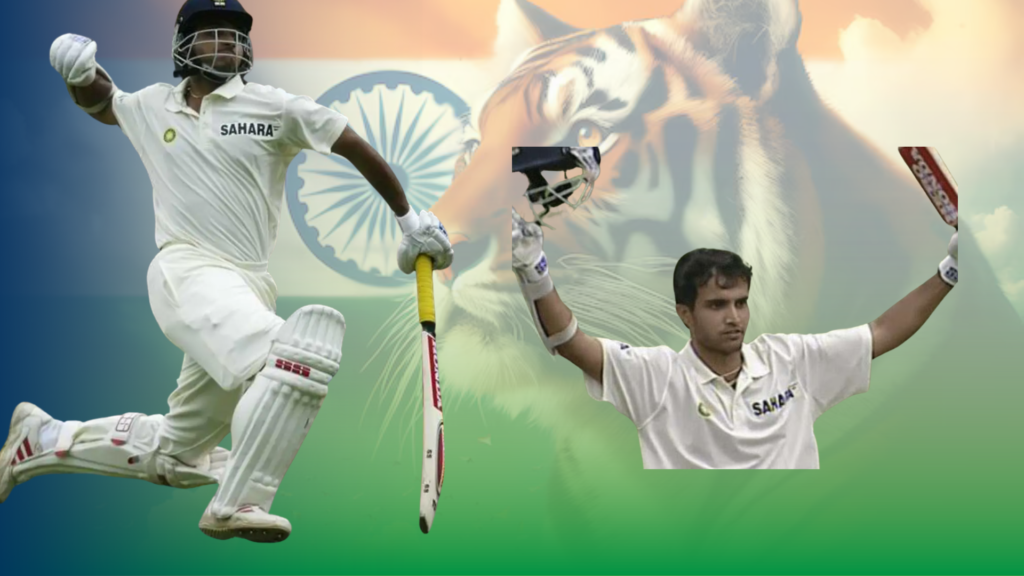
Sourav Ganguly holds a special place in Indian cricket. He took charge of team India in tumultuous time when the team was under the shadow of match-fixing and considered as an underdog in ICC tournaments and overseas test matches. During his tenure as a captain of team India, he selected highly talented young players and prepared a team that was formidable at home and extremely competitive in overseas. Altogether, Ganguly breathed a new life in Indian cricket, where the team was equipped with passion, patriotism, and aggression. His remarkable feats as a captain were winning the ICC Champion Trophy 2002, the NatWest Trophy 2002, and runner of 2003 ICC World Cup.
Ricky Ponting
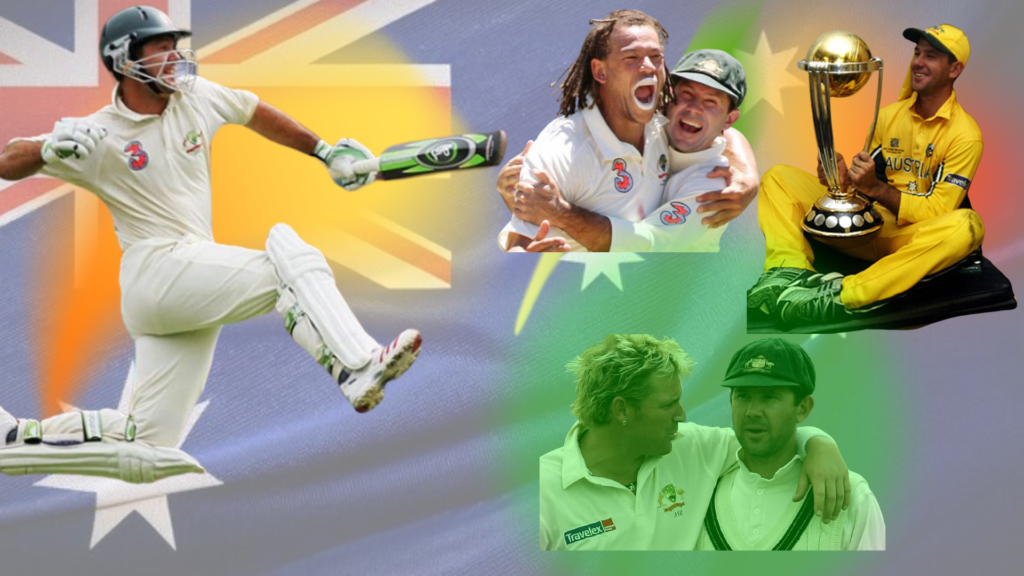
Ricky Ponting was a typical Australian who was tough as nails, an astute thinker, aggressive, and a visionary and firebrand leader whose leadership was highly acclaimed and coveted in the Cricket fraternity. With Coach John Buchanan, he built a destructive and ruthless side where all eleven players were world-class. As a Captain, Ponting’s squad had a habit of winning, whether white ball cricket or red ball cricket. From 2003 to 2008, Australia under Ponting was almost an unbeatable side wherein winning two consecutive ICC World Cup (50 Over format) in 2003 and 2007 without losing a single match, portrays his unparalleled and unmatched leadership acumen.
Adding to all this was of course, Ponting was a world-class batsman whose free-wheeling strokeplay including his stunning pull, hook, cut shot and cover drive was a treat for the eyes. His breathtaking, agile and dead-eye fielding was a force in the game by itself.
Mahendra Singh Dhoni
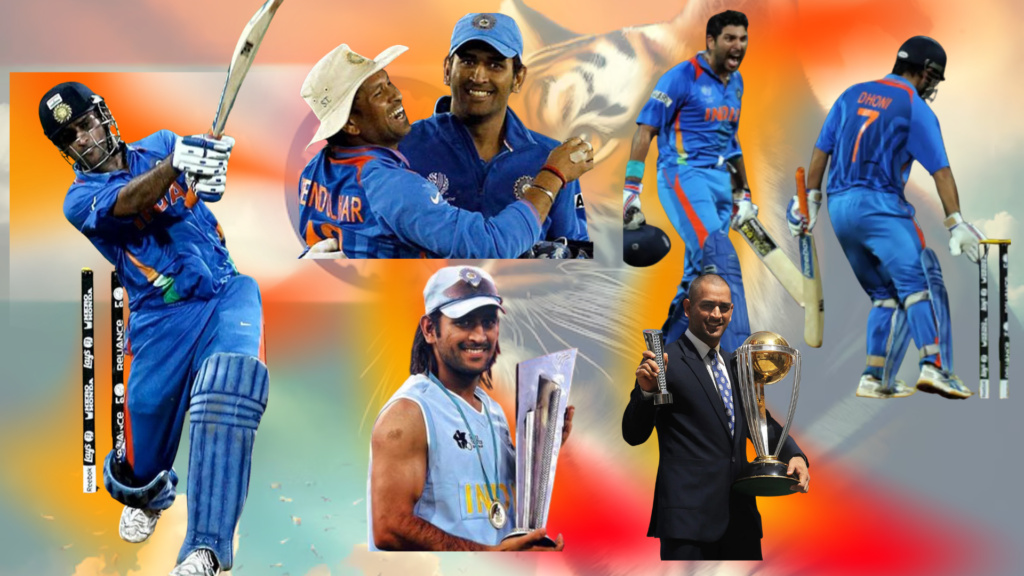
After the humiliating exit from the ICC World Cup 2007, India was in search of a young and firebrand leader who could be the torchbearer for the Indian Cricket. Senior players like Sachin Tendulkar and Rahul Dravid recommended the name of Mahendra Singh Dhoni. Blessed with a mature head and an astute cricketing brain, Dhoni portrayed his leadership acumen, when Team India won the maiden ICC T-20 World Cup 2007 under his leadership. After that, Dhoni never looked back. Whether red ball cricket or white ball cricket, under the leadership of Dhoni, Indian Cricket achieved a sublime feat wherein achieving the number one ranking in Test Cricket and winning the ICC Cricket World Cup 2011. Dhoni had a special ability of taking calculated risks and game understanding due to which the team India performed brilliantly in all formats, whether in home or overseas.
Graeme Smith
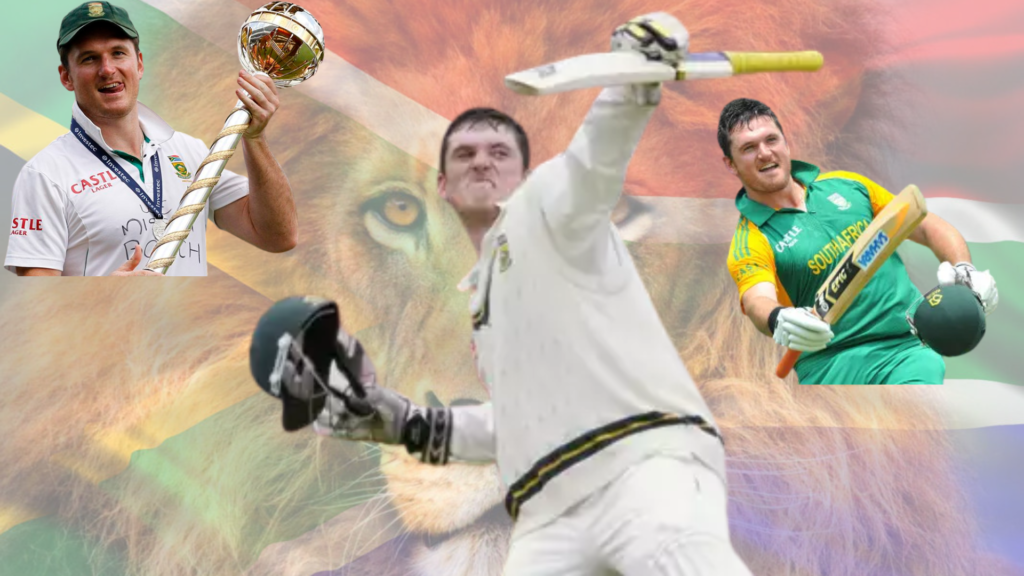
After the emotional exit from the ICC World Cup 2003, Shaun Pollock stepped down from proteas leadership. Then, the South African team management appointed young Graeme Smith, the captain of South Africa at 22. For this young man, the challenge was huge, because the team was on the verge of collapse where he had to build the team from scratch and regain the old glory, which had been shattered by Hansie Cronje’s greed and was not restored completely under Shaun Pollock’s sincere but undemonstrative leadership. As a Captain, the initial phase was a challenge for Smith, but the man had a vision to build a powerful South African Cricket team that could challenge the dominance of Australia.
His greatest triumph was winning the first Test series in Australia in 2008-09 where he batted with a broken hand in Sydney. Under the leadership of Smith, there was emergence of some exceptionally talented players like Dale Steyn, AB de Villiers, Morne Morkel, Faf du Plessis, David Miller, Hashim Amla, Vernon Philander, Quinton de kock, and J.P Duminy that made South Africa a truly dominant tourists, where they won eight test series away from home and lost none between 2007 and 2013. They also went invincible in 11 test series overall between April 2006 and December 2008. Through all his glorious achievements in Test Cricket, though, Smith couldn’t get his hands on a chunk of ICC silverware.
Michael Vaughan
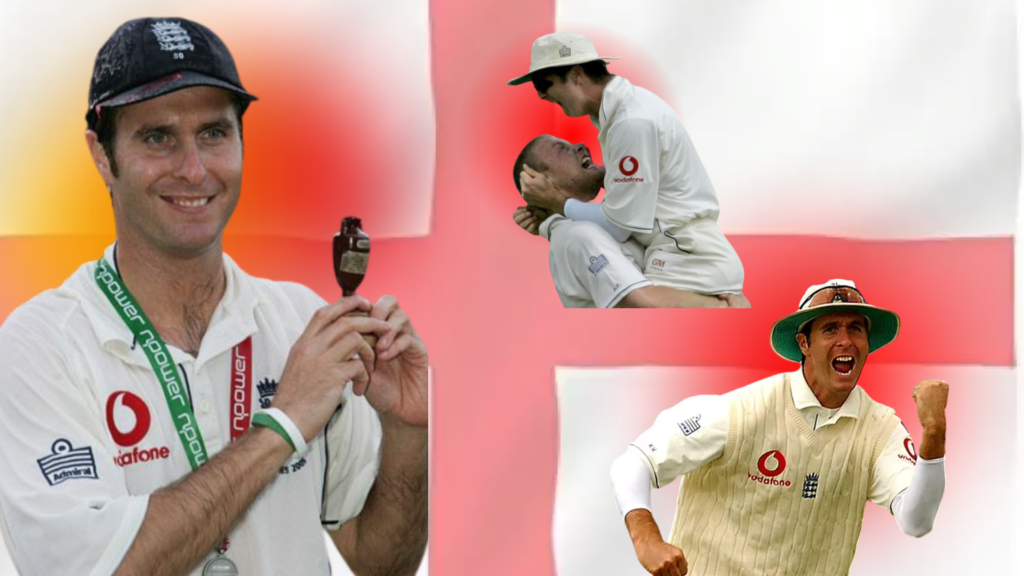
Michale Vaughan was probably the most astute cricketing brain that world Cricket witnessed. Vaughan was neither a world-class batsman nor an agile fielder, but he was blessed with agile and visionary leadership. He took charge of English Cricket when this game was dying a slow death in early 2000 in England and when there was no special talent from the English team. Vaughan took charge of the ODI in 2003 and later inherited the Test captaincy weeks later after Nasser Hussain resigned unexpectedly and that proved the turning point for the English Cricket.
As a captain, Vaughn breathed a new life in English cricket and his leadership changed the body language of English players where the world of cricket witnessed some special talent from English cricket like Kevin Pietersen, James Anderson, Paul Collingwood, etc. Under the leadership of Michale Vaughan, 2004-2005 was a glorious year for the English Team where they reached the final of the ICC Champions Trophy 2004, played 17 tests and won 13 out of them, and mesmerizing 2005 Ashes series win was a very special feat for the English Cricket. Unfortunately, injury and poor form not allowed Michael Vaughan to extend his career and he retired from international cricket in 2009.
Also Read: Artificial Intelligence and its global impact
Conclusion
Australia’s ruthless domination under Steve Waugh, Australia’s unparalleled winning streak under Ricky Ponting, the way Sourav Ganguly breathed new life in Indian Cricket, the way M.S Dhoni inculcated the habit of winning in the Indian Cricket team, Graeme Smith’s visionary leadership in rebuilding South African Cricket and Michael Vaughan’s strategic brilliance in reviving English Cricket; shows how a visionary and inspirational leadership plays a crucial role in shaping the fortune of team.
These leaders were exceptional and their leadership changed the attitude and altitude of their team. Their ability to inspire, strategize, and make bold decisions under pressure distinguished them. Their contributions to Cricket are inspirational, shaping future generations and leaving a legacy that will be remembered for years to come.