

Today, Artificial Intelligence (AI) is evolving and playing a pivotal role in shaping the future of humanity. AI is not only transforming the socio-economic landscape but also the main driver of trailblazing technologies like Big Data, Robotics, and the Internet of Things (IoT). In addition, the advent of generative AI has further pushed the frontiers of possibilities and popularity of AI. According to the survey by IBM in 2023:
- 42% of large organizations have integrated AI into their operations and 40% are considering AI for their organizations.
- 38% of large organizations have implemented generative AI into their workflow while 42% are considering doing so.
From the above facts and figures, we can guess that AI will make a rapid stride and advent of more disruptive technologies in the forthcoming future. Well, before discussing the global impact of AI, let’s shed light on the history and evolution of AI.
The History and Evolution of Artificial Intelligence

- In 1950, English Mathematician and Computer Scientist Alan Mathison Turing proposed the concept of Artificial Intelligence. His vision is to develop a machine that could mimic human intelligence.
- In 1960, an American Computer Scientist John McCarthy developed the first AI programming language, LISP which proved a major breakthrough in the realm of AI research.
- From 1970 to 1980, Artificial Intelligence researchers pushed the frontiers of their expertise and developed an advanced machine from symbolic reasoning and rule-based systems.
- In 1990, the development of AI shifted toward machine learning and data-driven approaches due to increased availability of digital data and advancements in computing power. This period witnessed the rise of neural networks and the development of support vector machines thereby AI systems started learning from data, leading toward better performance and adaptability.
- In 2000, AI research touched great heights such as natural language processing, computer vision, and robotics that paved the way for today’s AI revolution.
- The Generative Pre-Trained Transformer (GPT) series by OpenAI is a prime example of the development of AI that boasts 175 billion parameters and demonstrates unprecedented natural language understanding.
The Global Impact of Artificial Intelligence
The advancement in Artificial Intelligence has immense potential to contribute to global economic activity where we are observing job disruption and automation in business. Here are a few of the industries undergoing significant changes as a result of AI.
Impact of Artificial Intelligence in Manufacturing
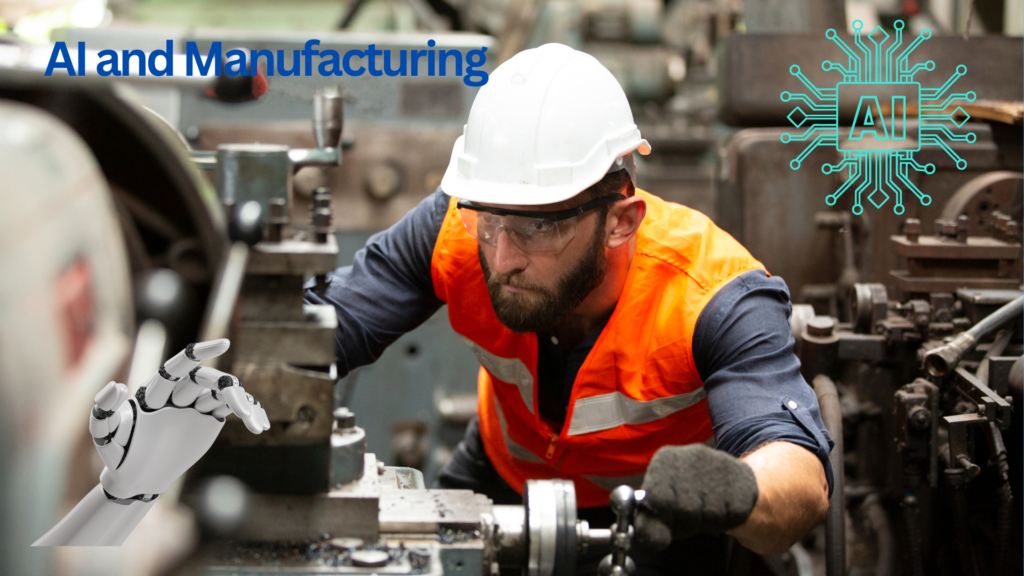
Manufacturing industry has been leveraging Artificial Intelligence from six decades when the development of AI was at its initial stage. During 1960-1970 manufacturing industry adopted AI enabled robotic arms and other manufacturing bots to uplift its productivity. Today, manufacturing industries are implementing latest technologies such as machine learning, computer vision, and natural language processing (NLP) to improve operation efficiency, improve quality and reduce downtime. In addition, the advent of Generative AI (gen AI) has streamlined the process of this sector through new content like text, images and codes by learning patterns from data and previous prompts that has a variety of uses for product searches, document summarization, customer service, call processing, etc.
Impact of Artificial Intelligence on Healthcare

Artificial Intelligence is also transforming the healthcare sector wherein utilizing big data analytics, it is now easier in identifying diseases more quickly and accurately. In addition, AI tools are proving effective in speeding up drug discovery and patient monitoring through virtual nursing assistants.
Impact of Artificial Intelligence on Education

Artificial Intelligence is transforming the landscape of education wherein imparting and acquiring knowledge is engaging, interactive, and insightful. AI-driven educational tools such as virtual tutor and gamified learning platforms are helping students to develop skills, attributes, and knowledge. Technology under AI such as machine learning and natural language processing imparts valuable data driven insights to educators that help them to analyze students’ performance and refine their teaching strategies.
Impact of Artificial Intelligence on Finance

From fraud detection, fostering innovation, streamlining operations to evaluation of customers for loan analysis, Artificial Intelligence has underpinned the finance sector. The advent of Generative AI models such as Chat GPT is redefining the operations and strategic horizon of the banking sectors allowing them to deliver personalized services and novel solutions while streamlining mundane tasks.
Impact of Artificial Intelligence on Media

Artificial Intelligence is reshaping the landscape of the media and entertainment industry wherein Generative AI models such as Chat GPT have made the process of content creation and curation more sophisticated and engaging. In this industry, AI is playing an instrumental role in optimization of content delivery, recommendation of algorithms, and targeting audiences that is leading to a more dynamic and responsive media ecosystem.
Impact of Artificial Intelligence on Transportation
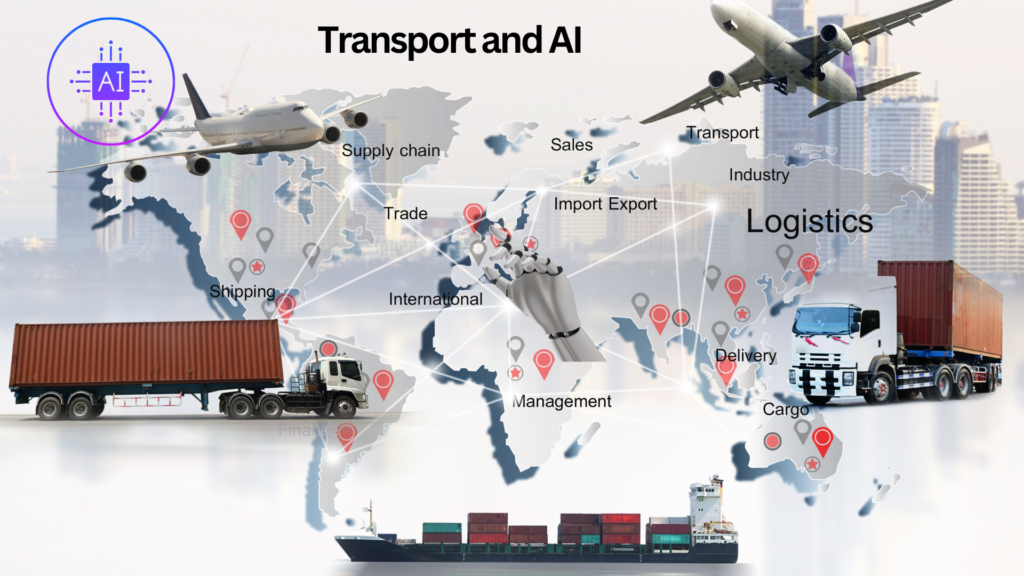
Artificial Intelligence is the future of transportation that will impact wide range of transportation related things such as managing traffic flow, streamlining logistics, and optimizing public transit. AI in this field will play an instrumental role in bringing more advancements wherein the core objective will be on developing a sustainable, safe and efficient transportation system.
Impact of Artificial Intelligence on Society

Artificial Intelligence is continuously transforming our world and its impact on our society will be far-reaching political, economic and legal; wherein there will be challenges for humans in adopting changes and opportunities to find their passion with new responsibilities that require human abilities. If this technology is used in a destructive way, its impact will be negative on the society. On the other side, Artificial Intelligence can dramatically enhance the efficiency of workplaces wherein it will take repetitive tasks and free up the human workforce to do the work wherein requires creativity and empathy among others.
Risk and Danger of Artificial Intelligence
Job losses
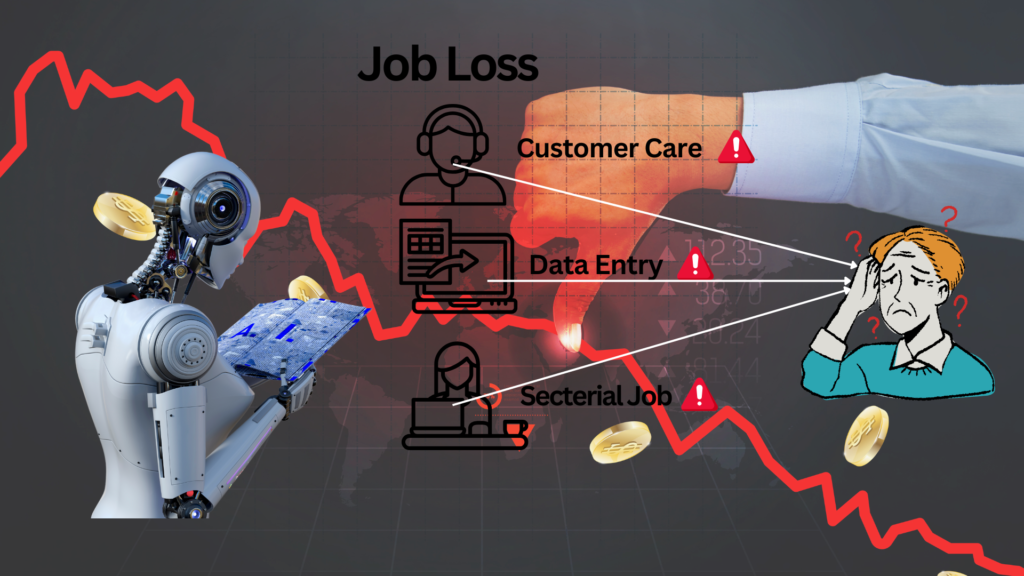
Artificial Intelligence will disrupt the job market wherein there will be a great demand of AI specialist roles such as machine learning specialist, robotics engineers and digital transformation specialists; on the other side, there will be job loss in clerical, secretarial, data entry, and customer service roles. The best way to mitigate this gap is to create a balance between human intelligence and machine intelligence thereby decision making and problem solving can improve. In addition, organizations should focus on reskilling and upskilling employees thereby they can use AI tools effectively to enhance their productivity.
Misinformation and Manipulation

Misinformation and manipulation are serious dangers associated with AI. Malicious people can exploit AI technology to spread false information and manipulate information. For example, in January 2024 in the New Hampshire primary election-USA, AI-generated President Joe Biden’s voice was spread wherein he was discouraging American voters from going to polls. Today, Artificial Intelligence is more developed and evil people use it to manipulate information. For example, images or videos can be altered to misrepresent someone as saying or doing, something they never did. When such manipulative information spreads through social media, amplifies disinformation and damages the reputation of victims. To prevent it, educate common people on how to spot misinformation or manipulative content. In addition, AI models should be trained through high-quality data and its rigorous testing and evaluation are mandatory.
Environmental Harms
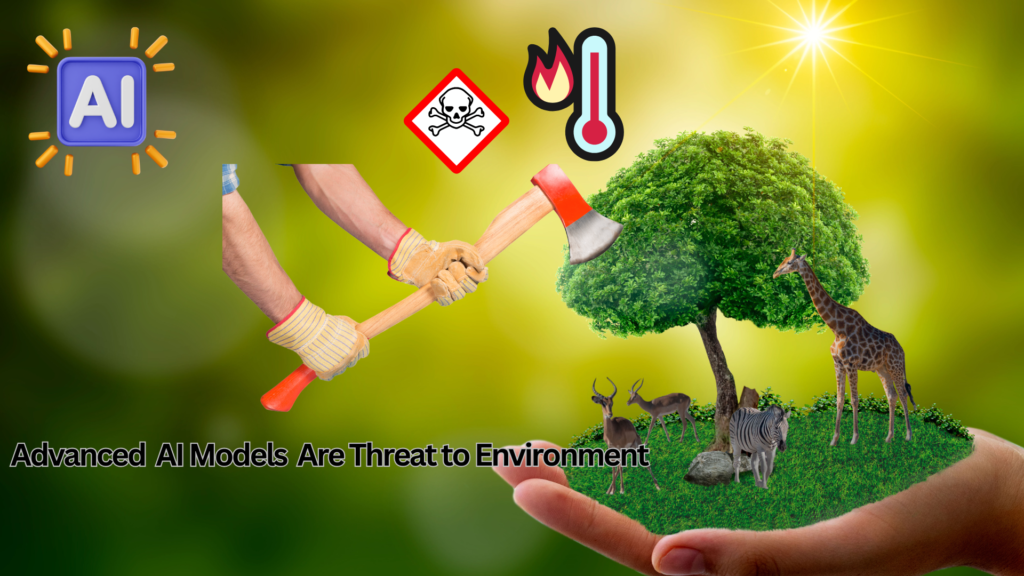
On a far grander scale, AI is a threat to the environment. Optimists can view AI as a bewildering invention that has immense capacity to solve real-life problems. But threats associated with it, cannot be overlooked where AI will play a core role in destroying our environment. To maintain advanced Artificial Intelligence models there will be a huge requirement of energy and resources and that could raise carbon emissions by as much as 80 percent that is a devastating blow to any sustainability effort within tech. Even if, AI is used to build any climate-conscious technology then the cost of building and training models could leave society in a horrified environmental situation than before. To avoid such a dangerous situation, AI data centers should be powered by renewable energy and energy-efficient AI models need to be adopted.
Data Privacy

The advancement in the field of Artificial Intelligence has introduced a new threat, data security breaches, especially after the advent of Generative AI. Training AI models on public data enhances the chances of data security breaches wherein consumers’ personal data becomes vulnerable. To deal with such challenges, inform consumers about data collection practices for AI systems such as when data is gathered and how it is stored and used.
Also Read: Top Six Leaders in Cricket Post 1999 World Cup
Conclusion
Artificial Intelligence is evolving and it is having a significant impact on numerous industries across the globe. Here challenges are job loss, environmental harm, and data security. Today, the world needs a responsible and ethical development of Artificial Intelligence thereby its benefits outweigh the drawbacks; to ensure this human-AI collaboration, upskilling the workforce, and implementing robust regulations are mandatory thereby this technology can serve as a powerful tool for progress while safeguarding societal values.